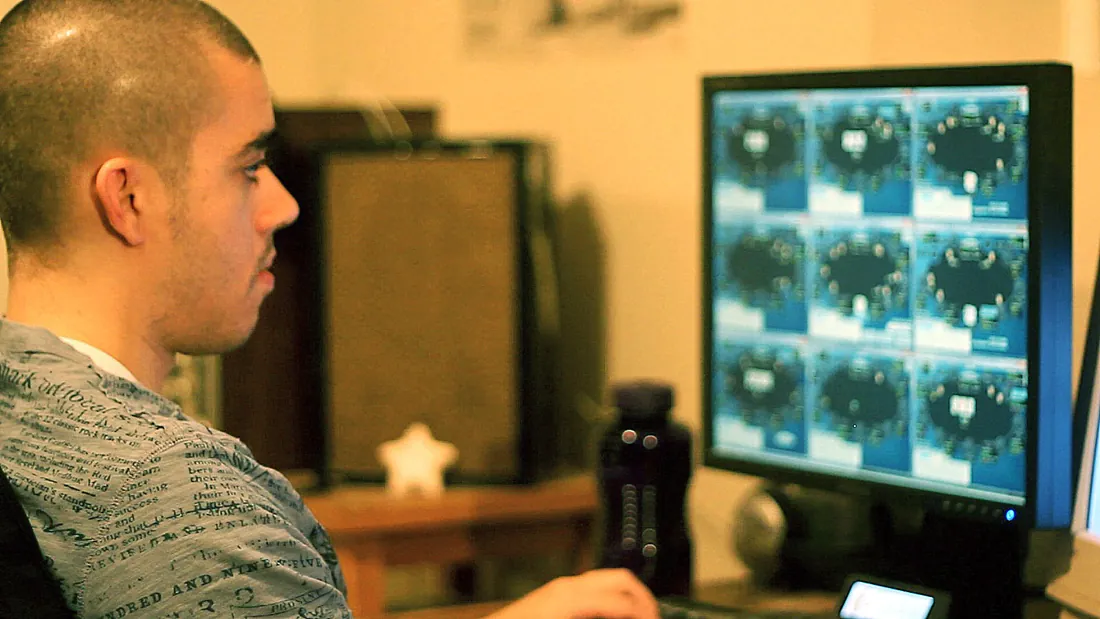
Online poker gives players many decisions and very little time to reflect on them. The temptation is to judge a session by its final balance. A more useful study habit is to ask whether each important decision made sense with the information available at that moment.
A well-played hand can lose, and a poorly considered call can win. Keeping those possibilities separate makes it easier to learn without mistaking a short run of results for proof of ability.
Start with one format
Cash games and tournaments can share the same hand rankings while creating different decisions. Choose a format you understand, learn its betting structure and become comfortable with the order of action before adding more tables or unfamiliar variants.
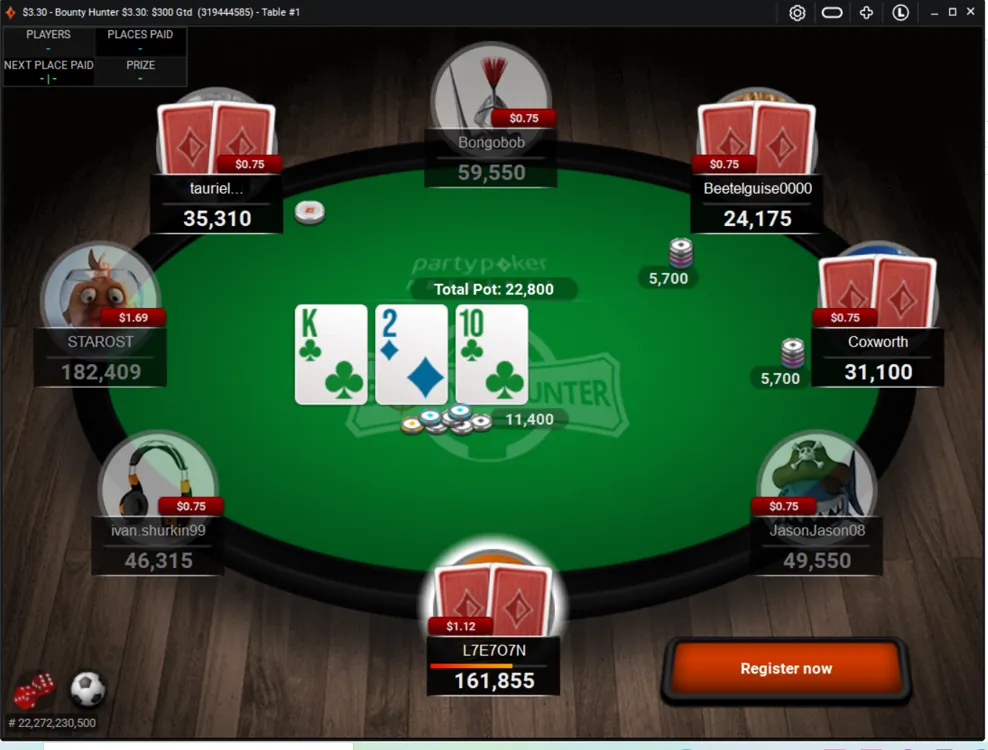
In Texas Hold’em, players combine the available cards to make their best five-card hand. Learning that basic process thoroughly is more useful than memorising an elaborate move without understanding when it applies.
Pay attention to position and the action
Your position affects the information available when you act. Observe who has already checked, bet or raised, and consider how a later decision could change the situation. A hand’s strength cannot be assessed in complete isolation from the betting and community cards.
Write down a reason for a decision during review. Statements such as “I wanted to see what happened” often reveal less preparation than a specific explanation of the price, likely hands and remaining uncertainty.
Review a small number of meaningful hands
Select hands that were confusing, not only hands with unusually large pots. Reconstruct the sequence and identify the point at which your assumptions changed. Compare alternative actions without using the eventual result as the only standard.
Use study tools in accordance with the platform’s rules. Assistance allowed away from the table may be prohibited during live play.
Protect the quality of the session
Choose a pace at which you can follow the action. Keep entertainment money separate from essential expenses, and stop when frustration or fatigue starts making decisions for you.
Improvement means building a repeatable way to think, review and correct mistakes. It does not remove uncertainty or guarantee that poker will be profitable.