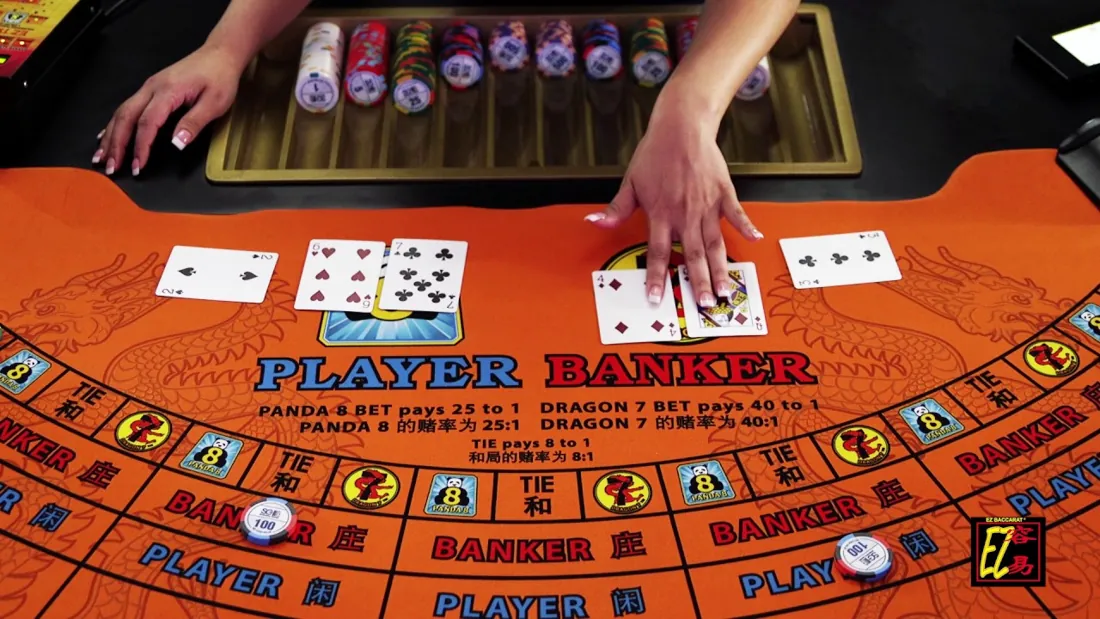
Baccarat can look complicated from a distance, yet much of the action is determined by the game’s dealing rules. In the common punto banco format, participants usually choose a betting position rather than decide how either hand is played.
The first useful distinction is between the names on the layout and the people at the table. Player and Banker identify two hands. A participant can normally bet on either one without becoming the person who controls it.
How the hand values work
The aim is to identify the hand that finishes closest to nine. Aces count as one, cards from two to nine use their printed value, and tens and picture cards count as zero. When a total reaches two digits, the final digit determines its value. A seven and a six therefore produce a hand value of three.
Additional cards, where required, follow the stated drawing rules. Do not assume that baccarat uses the same choices as blackjack, even though both games are played with familiar cards.
The main betting positions
- Player: a bet that the Player hand will finish ahead of the Banker hand.
- Banker: a bet on the Banker hand, subject to the table’s commission or alternative settlement rules.
- Tie: a bet that the two hands will finish with equal values.
Read how each position is paid and what happens to other bets when a tie occurs. A table’s label alone is not enough to establish its complete rules.
Side bets need a separate explanation
Pairs and other special outcomes may appear alongside the main bets. These are separate propositions with their own conditions and payout tables. A larger advertised payout does not make an outcome more likely.
Before placing a side bet, be able to explain exactly which cards or events qualify. If the description is unclear, pause and read the game help rather than infer the rule from the name.
Keep history displays in perspective
Scoreboards record previous rounds. They do not promise what the next round will produce. Betting patterns and staking progressions also cannot turn the game into a guaranteed source of profit. Understanding the layout is useful; treating its history as a reliable forecast is a different claim.