Poker study often begins with cards and betting patterns. Some of the habits that support useful study are more ordinary: paying attention, managing frustration and being willing to reconsider an explanation.
These skills do not remove uncertainty. They help a player stay engaged with the decision rather than allowing the latest result to dictate the next action.
Patience means accepting uneventful decisions
A session does not need constant action to be worth studying. Folding can be a complete decision, even when it produces no dramatic moment to remember.
The useful question is whether the action fits the available information and the game being played. Acting simply to relieve boredom introduces a different objective from making a considered choice.
Attention is a resource
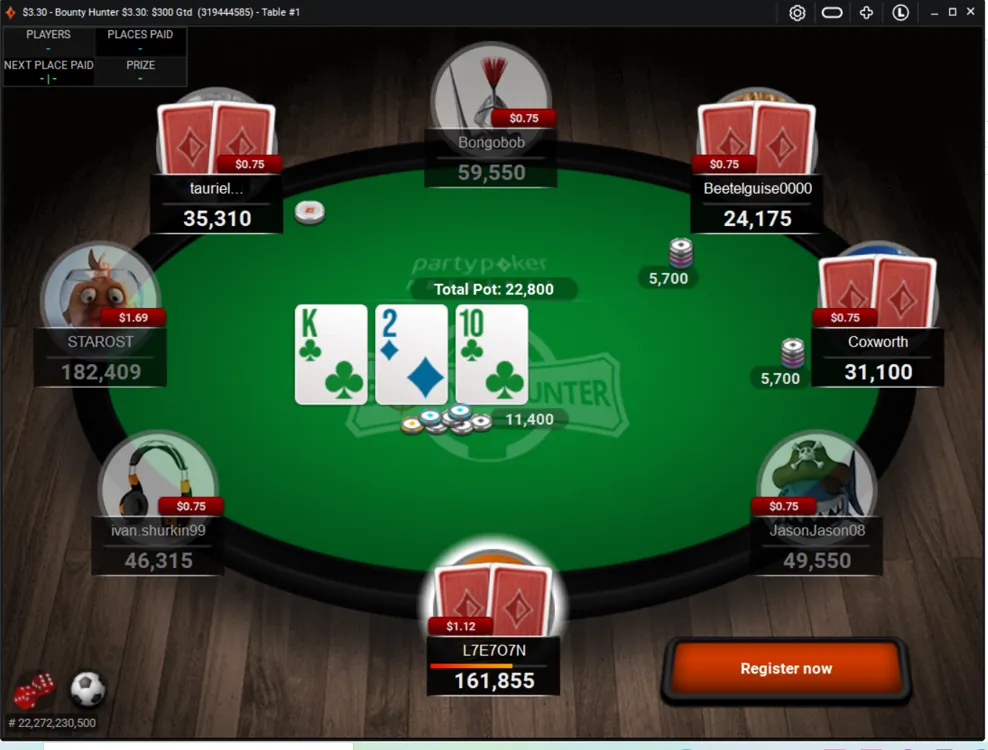
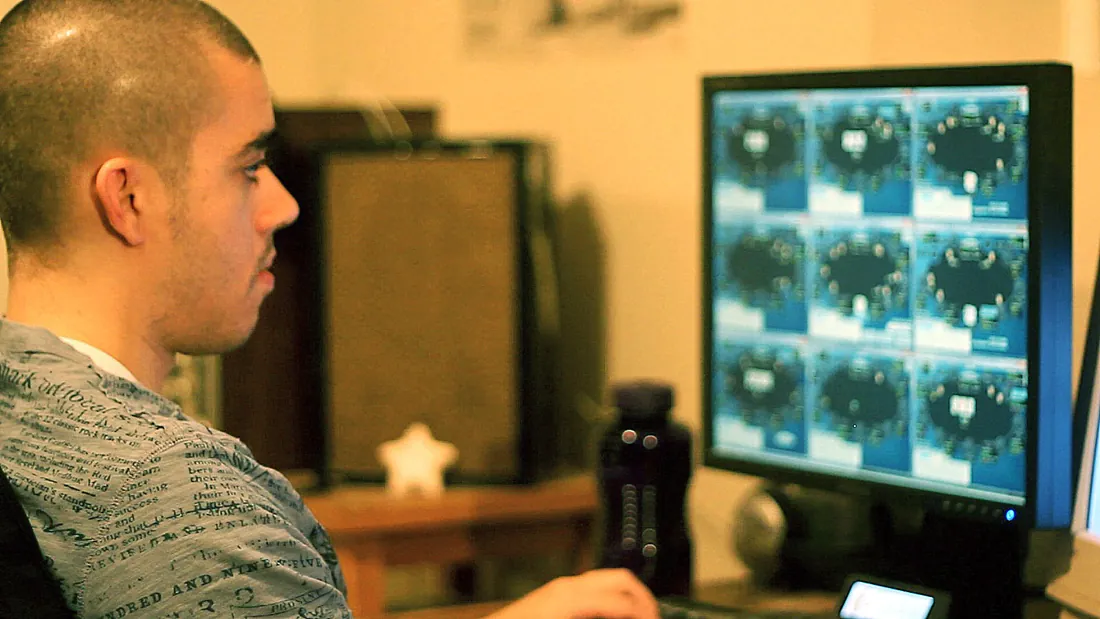
Following one table carefully can reveal more than glancing between several tables while distracted. Notice the order of action, changes in bet size and the community cards before forming an explanation of a hand.
Adjust the number of tables or the length of a session to the attention you actually have. Fatigue is not an obstacle that every player can overcome by deciding to concentrate harder.
Emotional awareness creates a stopping signal
Frustration can show up as rushed calls, larger stakes or a need to prove that a previous loss was unfair. Recognising that shift is useful because it identifies when the quality of the decision process has changed.
A planned break gives you an alternative to acting immediately. There is no requirement to recover a result before ending a session.
Review your reasoning honestly
During study, describe what you believed an opponent might hold and why. Distinguish an observation from an assumption. If the explanation depends on information only revealed later, it is not the explanation you had when making the original decision.
Seek disagreement that tests the reasoning. A useful review can expose uncertainty without turning every losing hand into a mistake or every winning hand into a lesson in brilliance.
Keep poker in proportion
Time, sleep and essential spending have value beyond a session. Set boundaries that protect those needs. Everyday discipline supports a clearer process, but it should never be presented as a promise that a gambling activity will reliably pay.