A slot game can introduce its world in seconds: a familiar theme, a burst of music and a screen full of symbols. Understanding what the game actually does takes a little more attention. The help screen, paytable and stake controls are more useful starting points than the excitement of the opening animation.
There is no universal trick that makes a random slot deliver a winning result. A practical guide should help a reader understand the experience and its cost, without promising control over the outcome.
Know the total cost of a round
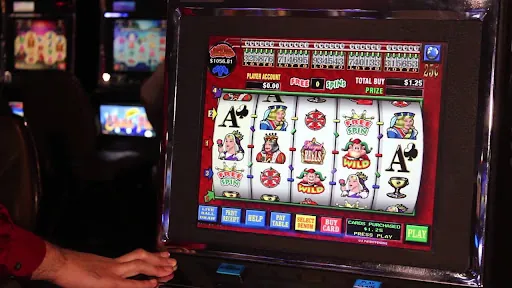
Check the complete stake shown before pressing the spin button. Some games combine a coin value with several lines; others show a single total bet. Optional features can change that cost substantially.
If a game offers a feature purchase or enhanced mode, read its price separately. A button that looks like a shortcut may represent a much larger stake than an ordinary round.
Read the paytable in the game itself
The paytable explains which symbol combinations qualify and how features are triggered. Familiar-looking symbols are not a substitute for these rules. A wild, scatter or bonus symbol can behave differently from one game to another.
Notice whether a displayed payout is expressed as money, credits or a multiple of the stake. That distinction makes a large number on screen easier to interpret.
Separate presentation from probability
A near miss can look dramatic without being a partial win. Music, celebration effects and a sequence of losing rounds do not establish that a favourable result is about to arrive.
Published return information describes a theoretical or long-run property of the specified game configuration. It is not a promise about the amount a particular player will receive during one session.
Choose a stopping point in advance
Set a spending amount and a time boundary before starting, and review the actual money spent rather than only the largest win. Do not increase the budget to recover a loss. Free-play modes can help explain the controls, but their results do not predict future real-money outcomes.
The most useful preparation is straightforward: understand the rules, know the cost and retain the ability to stop. The theme can supply the entertainment; it cannot supply a reliable forecast.